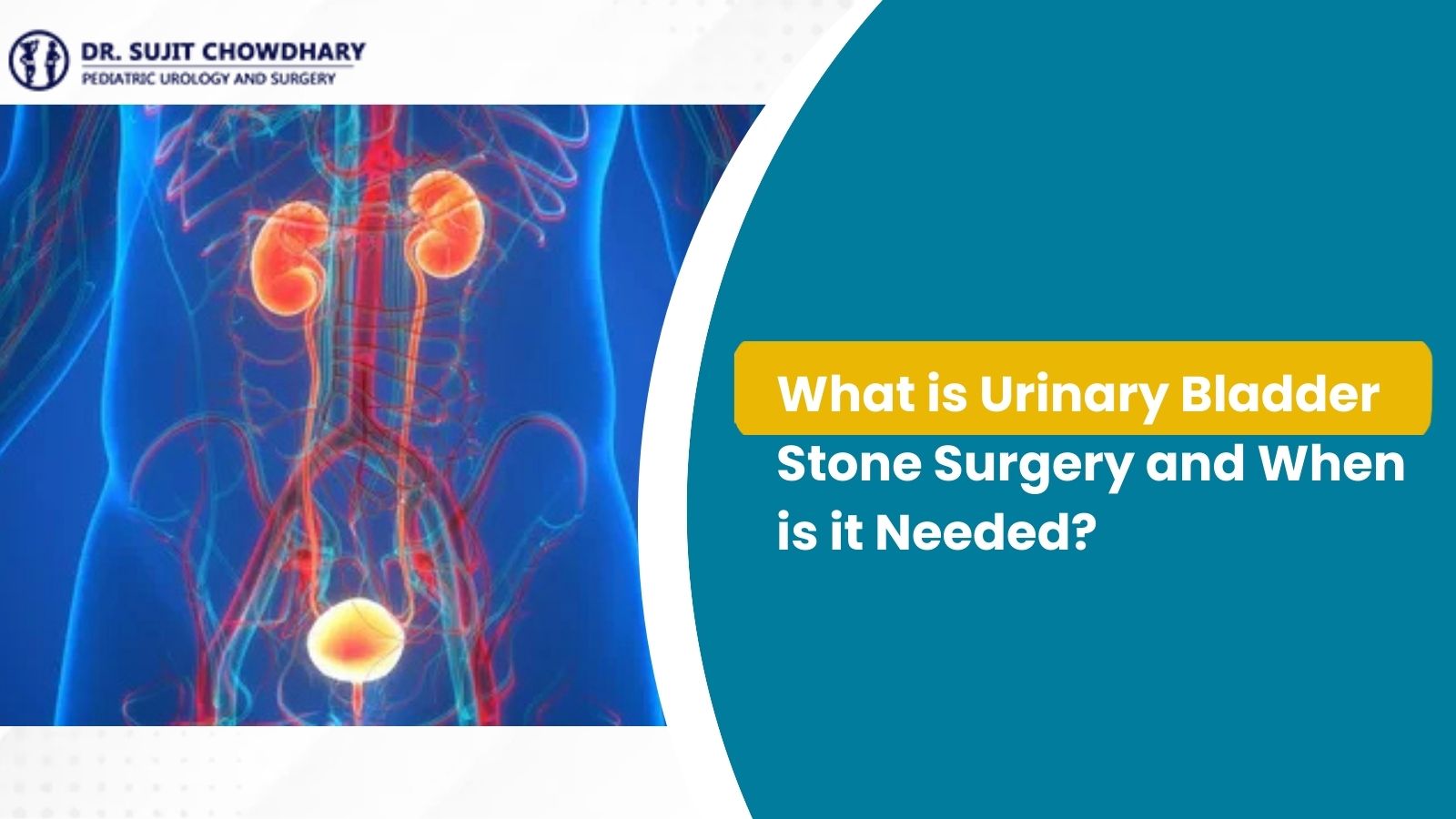
মূত্রাশয়ের পাথর সার্জারি হ'ল একটি চিকিত্সা পদ্ধতি যা মূত্রাশয়ের অভ্যন্তরে গঠিত শক্ত খনিজ আমানত (পাথর) অপসারণ করতে ব্যবহৃত হয়। এই পাথরগুলি আকারে খুব ছোট থেকে বেশ বড় পর্যন্ত পরিবর্তিত হতে পারে এবং এগুলি ব্যথা, প্রস্রাবে অসুবিধা বা ঘন ঘন মূত্রনালীর সংক্রমণ হতে পারে।
অস্ত্রোপচারের লক্ষ্য এই পাথরগুলি নিরাপদে অপসারণ করা যাতে মূত্রাশয়ের স্বাভাবিক কার্যকারিতা পুনরুদ্ধার করা যায়। ভারতে, পাথরের আকার এবং সংখ্যার পাশাপাশি রোগীর সামগ্রিক স্বাস্থ্যের উপর নির্ভর করে বিভিন্ন অস্ত্রোপচার কৌশল পাওয়া যায়। ভারতে মূত্রাশয় পাথর অস্ত্রোপচার সাধারণত আধুনিক সরঞ্জাম এবং ন্যূনতম আক্রমণাত্মক পদ্ধতির সাথে সঞ্চালিত হয়, দ্রুত পুনরুদ্ধার এবং আরও ভাল ফলাফল নিশ্চিত করে।
ড. সুজিত চৌধুরী , একজন অত্যন্ত অভিজ্ঞ ইউরোলজিস্ট, মূত্রাশয়ের পাথরের জন্য উন্নত অস্ত্রোপচারের যত্ন দেওয়ার জন্য পরিচিত, রোগীদের ব্যথা এবং মূত্রনালীর সমস্যা থেকে মুক্তি পেতে সহায়তা করে।
মূত্রাশয় পাথর অস্ত্রোপচার কখন প্রয়োজন?
প্রতিটি মূত্রাশয়ের পাথরের অস্ত্রোপচারের প্রয়োজন হয় না। ছোট পাথরগুলি প্রাকৃতিকভাবে প্রস্রাবের মাধ্যমে যেতে পারে তবে অনেক ক্ষেত্রে চিকিত্সা বা অস্ত্রোপচারের চিকিত্সার প্রয়োজন হয়। অস্ত্রোপচারের প্রয়োজন হয় যখন:
- পাথর এতটাই বড় যে প্রাকৃতিকভাবে পাস করা যায় না।
- প্রস্রাব করার সময় ক্রমাগত ব্যথা বা জ্বালাপোড়া হয়।
- পাথর দ্বারা প্রস্রাবের প্রবাহ অবরুদ্ধ হয়।
- পুনরাবৃত্তি মূত্রনালীর সংক্রমণ ঘটে।
- প্রস্রাবে রক্ত দৃশ্যমান।
যদি উপেক্ষা করা হয় তবে মূত্রাশয়ের পাথর মূত্রাশয় এবং কিডনির ক্ষতি করতে পারে। এ কারণেই ভারতে মূত্রাশয়ের পাথরের অস্ত্রোপচার প্রায়শই ডাঃ সুজিত চৌধুরীর মতো বিশেষজ্ঞদের দ্বারা সুপারিশ করা হয় যখন জীবনযাত্রার পরিবর্তন এবং ওষুধগুলি যথেষ্ট নয়।
মূত্রাশয়ের পাথর অস্ত্রোপচারের প্রকারভেদ
পাথরের আকার, অবস্থান এবং রোগীর অবস্থার উপর নির্ভর করে মূত্রাশয়ের পাথর অপসারণের জন্য বিভিন্ন ধরণের পদ্ধতি ব্যবহার করা হয়। কয়েকটি সাধারণ ধরণের মধ্যে রয়েছে:
- সিস্টোলিথোলাপ্যাক্সি এটি সবচেয়ে সাধারণ পদ্ধতি। ক্যামেরা (সিস্টোস্কোপ) সহ একটি পাতলা নল মূত্রনালীর মাধ্যমে মূত্রাশয়ের মধ্যে প্রেরণ করা হয়। তারপরে পাথরগুলি লেজার বা আল্ট্রাসাউন্ড শক্তি ব্যবহার করে ছোট ছোট টুকরো টুকরো হয়ে যায়, যা তাদের অপসারণ করা সহজ করে তোলে।
- ওপেন সার্জারি – পাথর খুব বড় হলে ব্যবহার করা হয়। সার্জন মূত্রাশয়ে একটি ছোট ছিদ্র তৈরি করেন এবং সরাসরি পাথরটি সরিয়ে ফেলেন।
- মিনিমালি ইনভেসিভ সার্জারি - উন্নত কৌশলগুলি এখন অনেক রোগীকে ছোট কাটা বা এন্ডোস্কোপিক সরঞ্জাম দিয়ে পাথর অপসারণ করতে দেয়, পুনরুদ্ধারের সময় হ্রাস করে।
ভারতে মূত্রাশয় পাথর সার্জারি এই সমস্ত পদ্ধতি সরবরাহ করে এবং পছন্দটি রোগীর নির্দিষ্ট প্রয়োজনের উপর নির্ভর করে। ড. সুজিত চৌধুরী প্রায়শই প্রতিটি ব্যক্তির জন্য নিরাপদ এবং সর্বনিম্ন আক্রমণাত্মক পদ্ধতির পরামর্শ দেয়, দ্রুত নিরাময় নিশ্চিত করে।
মূত্রাশয় পাথর অস্ত্রোপচারের উপকারিতা
সঠিক সময়ে অস্ত্রোপচার করা একাধিক সুবিধা আনতে পারে, যার মধ্যে রয়েছে:
- ব্যথা এবং মূত্রনালীর অস্বস্তি থেকে তাতক্ষণিক উপশম।
- আরও মূত্রাশয় বা কিডনির ক্ষতি রোধ করে।
- মূত্রনালীর পুনরাবৃত্তি সংক্রমণের সম্ভাবনা হ্রাস করে।
- সামগ্রিক মূত্রাশয়ের কার্যকারিতা এবং প্রস্রাবের প্রবাহ উন্নত করে।
- ধ্রুবক জ্বালা থেকে মুক্তির সাথে জীবনযাত্রার মান উন্নত করে।
যে রোগীরা বড় বা পুনরাবৃত্তি পাথরের সাথে লড়াই করছেন তাদের জন্য, ভারতে মূত্রাশয় পাথর অস্ত্রোপচার এটি প্রায়শই সবচেয়ে নির্ভরযোগ্য সমাধান। ডাঃ সুজিত চৌধুরীর মতো অভিজ্ঞ বিশেষজ্ঞদের সাথে, রোগীরা কেবল কার্যকর চিকিত্সাই পান না তবে পুনরাবৃত্তি এড়াতে অস্ত্রোপচারের পরে ব্যক্তিগতকৃত গাইডেন্সও পান।
মূত্রাশয়ের পাথরের অস্ত্রোপচারের পরে পুনরুদ্ধার
মূত্রাশয় পাথরের অস্ত্রোপচারের পরে পুনরুদ্ধার সম্পাদিত পদ্ধতির ধরণের উপর নির্ভর করে। সিস্টোলিথোলাপ্যাক্সির মতো ন্যূনতম আক্রমণাত্মক অস্ত্রোপচারগুলি সাধারণত রোগীদের একই দিন বা 24 ঘন্টার মধ্যে বাড়িতে যাওয়ার অনুমতি দেয়, যখন ওপেন সার্জারির জন্য দীর্ঘ হাসপাতালে থাকার প্রয়োজন হতে পারে।
পুনরুদ্ধারের সময়, রোগীরা প্রস্রাব করার সময় হালকা জ্বলন বা অস্বস্তি অনুভব করতে পারে তবে এটি সাধারণত কয়েক দিনের মধ্যে উন্নত হয়। চিকিত্সকরা সাধারণত পরামর্শ দেন:
- মূত্রাশয় বের করার জন্য প্রচুর পরিমাণে জল পান করুন।
- সংক্রমণ রোধে নির্ধারিত ওষুধ সেবন করা।
- কিছু দিনের জন্য ভারী উত্তোলন এবং কঠোর ক্রিয়াকলাপ এড়িয়ে চলুন।
- পাথরের পুনরাবৃত্তি রোধ করতে স্বাস্থ্যকর ডায়েট অনুসরণ করুন।
বেশিরভাগ ক্ষেত্রে, ভারতে মূত্রাশয়ের পাথরের অস্ত্রোপচারের মধ্য দিয়ে যাওয়া রোগীরা উল্লেখযোগ্য স্বস্তির রিপোর্ট করেন এবং এক বা দুই সপ্তাহের মধ্যে স্বাভাবিক ক্রিয়াকলাপে ফিরে আসতে পারেন। ডাঃ সুজিত চৌধুরীর মতো বিশেষজ্ঞদের নির্দেশনায়, নিরাপদ নিরাময় নিশ্চিত করার জন্য পুনরুদ্ধারের উপর নিবিড়ভাবে নজর রাখা হয়।
মূত্রাশয়ের পাথর অস্ত্রোপচারের ঝুঁকি এবং জটিলতা
যে কোনও অস্ত্রোপচার পদ্ধতির মতো, কিছু ঝুঁকি থাকতে পারে, যদিও অভিজ্ঞ চিকিত্সকদের দ্বারা সঞ্চালিত হলে এগুলি বিরল। সম্ভাব্য জটিলতাগুলির মধ্যে রয়েছে:
- অস্ত্রোপচারের সময় বা পরে হালকা রক্তপাত।
- মূত্রনালীর সংক্রমণ।
- প্রস্রাবে সাময়িক অসুবিধা।
- মূত্রাশয় বা মূত্রনালীতে আঘাতের বিরল সম্ভাবনা।
সুসংবাদটি হ'ল উন্নত কৌশল এবং দক্ষ সার্জনের সাথে, ভারতে মূত্রাশয় পাথর সার্জারি খুব নিরাপদ বলে মনে করা হয়। ডাঃ সুজিত চৌধুরী নিশ্চিত করেন যে রোগীরা অস্ত্রোপচারের আগে ভালভাবে প্রস্তুত হন এবং সঠিক পরে যত্ন গ্রহণ করেন, যা ঝুঁকি হ্রাস করে এবং ফলাফলের উন্নতি করে।
মূত্রাশয়ের পাথর প্রতিরোধ
যদিও অস্ত্রোপচার কার্যকরভাবে বিদ্যমান পাথরগুলি সরিয়ে দেয়, তবে সেগুলি ফিরে না আসার জন্য প্রতিরোধ গুরুত্বপূর্ণ। সাধারণ জীবনযাত্রার পরিবর্তন এবং চিকিত্সার পরামর্শ পুনরাবৃত্তির সম্ভাবনা হ্রাস করতে পারে:
- হাইড্রেটেড থাকুন - প্রচুর পরিমাণে জল পান করা খনিজগুলি পাথর গঠনের আগে ফ্লাশ করতে সহায়তা করে।
- সুষম খাদ্য - ডায়েটে অতিরিক্ত লবণ, চিনি এবং প্রাণীর প্রোটিন হ্রাস করুন।
- সময়োপযোগী চিকিৎসা - মূত্রনালীর সংক্রমণ, প্রোস্টেট বৃদ্ধি বা মূত্রাশয়ের সমস্যাগুলি তাড়াতাড়ি চিকিত্সা করলে পাথর গঠনের ঝুঁকি হ্রাস পায়।
- নিয়মিত চেক-আপ - মূত্রাশয়ের পাথরের ইতিহাস রয়েছে এমন লোকদের কোনও পুনরাবৃত্তি তাড়াতাড়ি সনাক্ত করার জন্য রুটিন চেক-আপ করা উচিত।
ভারতে মূত্রাশয়ের পাথর অস্ত্রোপচারের মধ্য দিয়ে যাওয়া রোগীদের প্রায়শই ডাঃ সুজিত চৌধুরীর মতো বিশেষজ্ঞদের দ্বারা প্রতিরোধমূলক পদক্ষেপগুলি পরিচালিত করা হয়, যা দীর্ঘমেয়াদী স্বস্তি নিশ্চিত করে।
উপসংহার: কেন বিশেষজ্ঞ যত্ন বেছে নেবেন
মূত্রাশয়ের পাথরগুলি মারাত্মক অস্বস্তি সৃষ্টি করতে পারে এবং সময়মতো চিকিত্সা না করা হলে প্রতিদিনের জীবনকে প্রভাবিত করতে পারে। যখন পাথরগুলি বড় হয় বা বারবার সমস্যা সৃষ্টি করে তখন অস্ত্রোপচার একটি স্থায়ী সমাধান সরবরাহ করে। সঠিক ডাক্তার এবং হাসপাতাল নির্বাচন করা নিরাপদ এবং সফল চিকিত্সার ক্ষেত্রে গুরুত্বপূর্ণ ভূমিকা পালন করে।
উন্নত কৌশল এবং দক্ষ যত্নের সাথে, ভারতে মূত্রাশয়ের পাথর সার্জারি অত্যন্ত কার্যকর এবং নিরাপদ হয়ে উঠেছে। ডাঃ সুজিত চৌধুরীর দক্ষতার অধীনে, রোগীরা কেবল সফল পাথর অপসারণই নয়, ভবিষ্যতের জটিলতা এড়াতে প্রতিরোধমূলক যত্নও পান। মূত্রাশয়ের পাথরের সাথে লড়াই করা যে কোনও ব্যক্তির জন্য, অভিজ্ঞ ইউরোলজিস্টের সাথে পরামর্শ করা দ্রুত ত্রাণ এবং জীবনযাত্রার আরও ভাল মান নিশ্চিত করে।
প্রায়শই জিজ্ঞাসিত প্রশ্নাবলী (FAQs):
প্রশ্ন 1। মূত্রাশয় পাথর গঠনের প্রধান কারণ কী?
মূত্রাশয়ের পাথর সাধারণত ঘন প্রস্রাবের কারণে তৈরি হয়, যা খনিজগুলিকে স্ফটিক হতে দেয়। প্রোস্টেট বৃদ্ধি, সংক্রমণ বা স্নায়ু সম্পর্কিত সমস্যার মতো অবস্থার কারণে মূত্রাশয়টি পুরোপুরি খালি না হলে এটি ঘটতে পারে।
প্রশ্ন 2। আমার মূত্রাশয় পাথর অস্ত্রোপচারের প্রয়োজন কিনা তা আমি কীভাবে জানব?
আপনার যদি তীব্র ব্যথা হয়, প্রস্রাব করতে অসুবিধা হয়, পুনরাবৃত্তি সংক্রমণ বা প্রস্রাবে রক্ত হয় তবে অস্ত্রোপচারের প্রয়োজন হতে পারে। ডাঃ সুজিত চৌধুরীর মতো একজন ইউরোলজিস্ট আল্ট্রাসাউন্ড বা এক্স-রে এর মতো পরীক্ষার মাধ্যমে এটি নিশ্চিত করতে পারেন।
প্রশ্ন 3। ভারতে মূত্রাশয় পাথর সার্জারি কি নিরাপদ?
হ্যাঁ, অভিজ্ঞ বিশেষজ্ঞদের দ্বারা সঞ্চালিত হলে এটি খুব নিরাপদ। লেজার সিস্টোলিথোলাপ্যাক্সির মতো আধুনিক কৌশলগুলির সাথে, ঝুঁকি কম এবং পুনরুদ্ধার দ্রুত হয়।
প্রশ্ন 4। মূত্রাশয়ের পাথরের অস্ত্রোপচারের পরে পুনরুদ্ধার করতে কতক্ষণ সময় লাগে?
পুনরুদ্ধারে সাধারণত ন্যূনতম আক্রমণাত্মক অস্ত্রোপচারের জন্য প্রায় 1-2 সপ্তাহ সময় লাগে। রোগীর স্বাস্থ্যের উপর নির্ভর করে ওপেন সার্জারিতে কিছুটা বেশি সময় লাগতে পারে।
প্রশ্ন 5। অস্ত্রোপচারের পরে মূত্রাশয়ের পাথর কি ফিরে আসতে পারে?
হ্যাঁ, মূল কারণটি চিকিত্সা না করা হলে পাথরের পুনরাবৃত্তি হতে পারে। এ কারণেই চিকিত্সকরা প্রায়শই ভারতে মূত্রাশয়ের পাথর অস্ত্রোপচারের পরে জীবনযাত্রার পরিবর্তন, ডায়েট পরিবর্তন এবং নিয়মিত চেক-আপের পরামর্শ দেন।